Published on December 6, 2025
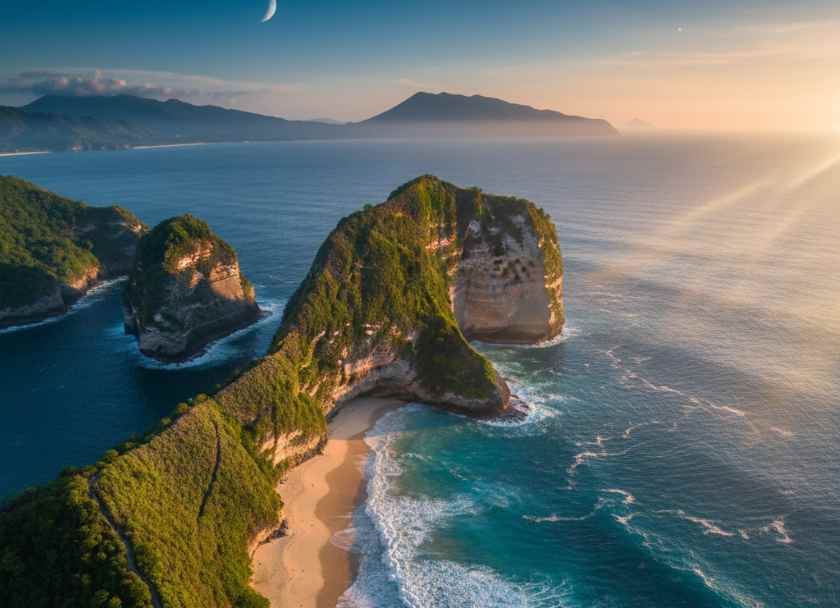
Bali's tourism industry has undergone a major change with the cancellation of the Kelingking Glass Elevator Project in Nusa Penida. The much-anticipated development, which would create an elevated viewing platform at one of the island's most iconic locations, was set to transform the region's tourism sector. However, despite its potential to boost the local economy, the project was met with widespread criticism, which ultimately led to its cancellation.
Known for its stunning landscapes and pristine beaches, Nusa Penida has long been a popular spot for tourists looking for off-the-beaten-track experiences in Bali. The island, just a short boat ride from mainland Bali, has become increasingly popular over the years. Destinations such as Kelingking Beach, Angel's Billabong and Broken Beach attract visitors from all over the world. Intended as a modern addition to the island's tourism infrastructure, the Kelingking glass elevator offers panoramic views of the dramatic cliffs and crystal clear waters below.
The Kelingking Glass Elevator Project: A Vision for Economic Growth
The Kelingking Glass Elevator Project was intended to transform Nusa Penida. The aim of the project was to install a glass elevator at Kelingking Beach, providing visitors with a safe and easy way to reach the cliff-side viewing point, which was previously only accessible via a steep and difficult footpath. The elevator would have allowed tourists to enjoy one of the island's most famous views, improving the island's tourist experience and bringing significant economic benefits.
Tourists who visit Nusa Penida are often attracted by its dramatic landscapes and natural beauty, making it an ideal destination for those seeking adventure, photography opportunities and immersion in untouched nature. The planned elevator, intended to bring more visitors to the island, was seen as a way to improve accessibility and expand the island's tourism offerings to attract both international travelers and domestic tourists.
Public backlash and environmental concerns
Despite the potential economic benefits, the Kelingking Glass Elevator Project quickly became controversial. Local communities, environmental groups and tourism professionals expressed concerns about the project's impact on the island's delicate ecosystem. The island of Nusa Penida is home to rich biodiversity and the natural beauty of the region is one of the main reasons why tourists visit it. Critics argued that the construction of the glass elevator could lead to environmental degradation and possible damage to local flora and fauna.
In addition to environmental concerns, many feared that the development would detract from the island's unique charm and appeal. Nusa Penida is known for its rugged terrain, isolated beauty and laid-back atmosphere. The influx of tourists that the glass elevator was intended to bring may have overwhelmed the island's infrastructure, leading to overcrowding and the loss of the essence that makes Nusa Penida so special. Some residents and local businesses also expressed concerns that the project would only benefit a select few, while the broader community might not see the economic growth promised.
Impact on the tourism future of Nusa Penida
With the cancellation of the Kelingking Glass Elevator Project, Nusa Penida now faces a critical moment in its tourism development. Tourism on the island has boomed in recent years, and its popularity continues to grow as travelers look for less commercialized alternatives to Bali's crowded destinations. However, the island's infrastructure remains underdeveloped and there are concerns about how the region can accommodate the growing number of visitors without impacting its natural environment or local culture.
The abolition of the glass elevator is a reminder of the challenges associated with reconciling tourism growth and sustainable development. As Nusa Penida continues to develop as a destination, local authorities and tourism stakeholders must work together to find solutions that protect the island's unique character while promoting responsible and sustainable tourism. This includes improving transportation options, investing in eco-friendly accommodation, and supporting local businesses that prioritize protecting the environment and culture.
Looking into the future: Sustainable tourism for Nusa Penida
Following the cancellation of the Kelingking Glass Elevator Project, attention is likely to shift to more sustainable alternatives for Nusa Penida's tourism sector. The island's natural beauty and attractions remain a major draw for travelers, and efforts to improve the visitor experience without compromising ecological integrity will be critical in the future.
Sustainable tourism initiatives such as guided tours, eco-friendly hotels and conservation projects could play a key role in preserving the island's charm. Additionally, improving access to remote areas of the island through better infrastructure and promoting responsible tourism practices will help Nusa Penida remain a top tourist destination for years to come, while protecting its pristine landscapes for future generations.
Diploma
The cancellation of the Kelingking Glass Elevator Project in Nusa Penida has sparked significant discussion about the future of tourism in the region. While the project promised to improve accessibility and stimulate economic growth, concerns about its impact on the environment and the possibility of overwhelming the island led to its cancellation. In the future, the focus for Nusa Penida is likely to shift to sustainable development practices that preserve the island's natural beauty while meeting growing interest from tourists. By prioritizing responsible tourism, Nusa Penida can continue to thrive as a top destination for travelers in search of adventure, culture and unspoilt landscapes.
