From The Hustle
In summary:
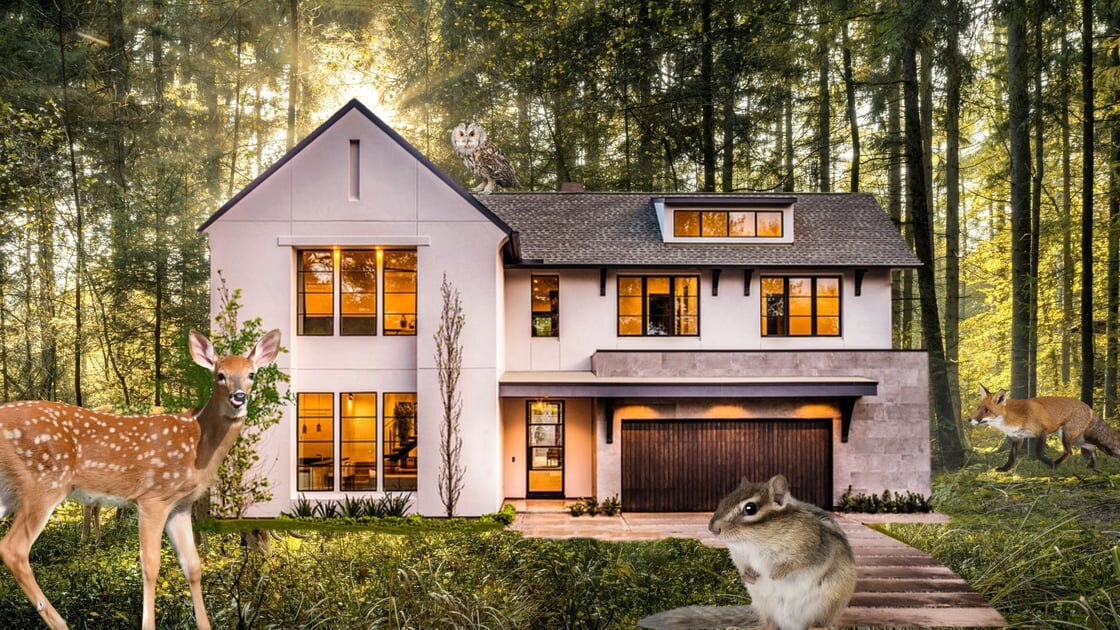
Since 2001, suburban expansion in the United States has destroyed more than 24 million acres of natural habitat and endangered native species. Homegrown National Park, a national initiative that encourages landowners to convert lawns into ecological landscapes, believes the solution lies not in wilderness reserves but in America's backyards. The flagship community of Sunbridge spans 27,000 acres and includes homes, schools, trails and thousands of acres of restored habitats to demonstrate how suburban living and conservation can coexist.
*****
Why the future of wildlife conservation could be in your garden
Since 2001, the growth of America's suburbs has contributed to the loss of 24 million+ Acres of natural habitat with white picket fences and roads replacing local flora and fauna.
Related: The North Shore Birding Festival returns with five days of excursions, workshops and conservation programs.
But Homegrown National Park — not an actual place but a marketing concept aimed at restoring 20 million acres of natural habitat in America — believes suburbs could be the answer to addressing the biodiversity crisis they have created by privatizing conservation efforts.
According to Fast Company, HNP's first dedicated community, Sunbridge, a residential megaproject near Orlando, Florida, is on track to do just that.
The great things outside your door
The sprawling community will encompass 27,000 acres, including homes, retail spaces and 13,000 acres of natural habitats with lakes, wetlands and plants native to the area.
- The homes are priced between $300,000 and $600,000.
- Residents receive digital water dashboards to track their consumption, as well as lawn care and preservation resources to help them adhere to HNP's philosophy of sustainable landscaping and native planting.
So far, some neighborhoods, hiking trails and a school have been built, but the ambitious project will take about 30 years to complete, with the goal of building over 30,000 homes in total.
A win-win situation
Taking advantage of Central Florida's population boom, Sunbridge provides living space while keeping residents steps from nature and just 15 minutes from the airport.
It also provides cost savings and a healthier environment for children and pets because native plants require less fertilizer and water, meaning fewer chemicals and lower operating costs.
Why are conservation efforts carried out on private land?
Because if we don’t, “we will fail,” said HNP co-founder Doug Tallamy Fast company. “You can’t say we won’t do conservation where we develop, because it’s everywhere.”
- Nearly 80% of U.S. land is privately owned, including 85% of the land east of the Mississippi.
- Suburban sprawl has endangered approximately 40% of America's plants, animals, and ecosystems.
Advocates say recovery efforts like Sunbridge's can help slow the global biodiversity crisis.
Sunbridge is creating the conditions for a new approach to sustainable suburban development. Still, you don't necessarily have to move to do your part – HNP tracks small-scale efforts by landowners and local organizations with an interactive “biodiversity map” that you can view here.
Key points:
-
Homegrown National Park's goal is to restore 20 million acres of natural habitat by promoting sustainable landscaping on private lands.
-
Sunbridge, a massive project near Orlando, includes 13,000 acres of protected wetlands, lakes and native vegetation, as well as residential and retail space.
-
The community provides homeowners with digital water dashboards and landscaping resources to reduce fertilizer use, conserve water and promote native plants.
-
Nearly 80% of U.S. land is privately owned, making conservation efforts on private lands critical to protecting threatened ecosystems.
-
Proponents argue that projects like Sunbridge can help slow biodiversity decline while providing residents with lower operating costs, a healthier environment and direct access to nature.
Re-release of The Hustle. Read the original article here.
Keywords
local national park,
sun bridge,
suburban protection,
biodiversity crisis,
native plants,
sustainable landscaping,
habitat restoration,
suburban sprawl,
species protection,
Development in Central Florida